Skip to content
Civil Technologist

Civil Technologist

  • Home
  • Calculators
    • Concrete Calculator
    • Steel Bar Weight Calculator
    • Plaster Calculator
    • Bitumen Extraction Test Calculator
  • Tests & Labs
    • Concrete Lab
    • Geotechnical Lab
    • Soil Mechanics lab
    • Concrete Test
  • Standards
    • AASHTO
    • ACI
    • ASTM
    • NHA
    • British Standard
    • European standard (EN)
    • Indian Standard
  • Articles
    • Road
    • Building
    • Estimate
  • About Us

ASTM

ASTM International, formerly known as the American Society for Testing and Materials, plays a pivotal role in shaping the landscape of civil engineering and construction. Established in 1898, ASTM is a globally recognized leader in the development and delivery of voluntary consensus standards. These standards, meticulously crafted by experts in the field, serve as a benchmark for quality, safety, and performance across diverse construction and engineering projects.

In the realm of civil engineering, ASTM standards provide a comprehensive framework that ensures the reliability and durability of materials, processes, and systems. From designing structures to testing construction materials, ASTM standards cover an extensive array of disciplines. The utilization of these standards facilitates seamless communication and collaboration among professionals, leading to the development of robust and resilient infrastructure.

Construction projects, ranging from residential buildings to large-scale infrastructure developments, benefit immensely from adherence to ASTM standards. These standards address various aspects, including materials specifications, testing methods, and performance criteria. Incorporating ASTM standards in construction processes not only enhances the quality of the final product but also promotes consistency and interoperability in the industry.

Key ASTM standards in civil engineering encompass areas such as concrete and aggregates, steel and metal products, geotechnical engineering, and environmental assessment. For instance, ASTM C33 specifies the standard for concrete aggregates, ensuring uniformity and reliability in construction materials. Similarly, ASTM A36 establishes the standard for structural steel, providing guidelines for its composition and mechanical properties.

In conclusion, serve as the backbone of modern civil engineering and construction practices. By adopting these standards, professionals in the field ensure that their projects meet rigorous quality benchmarks, fostering safety, innovation, and sustainability in the built environment. As the construction industry continues to evolve, ASTM remains a steadfast source of guidance, facilitating advancements that shape the future of civil engineering.

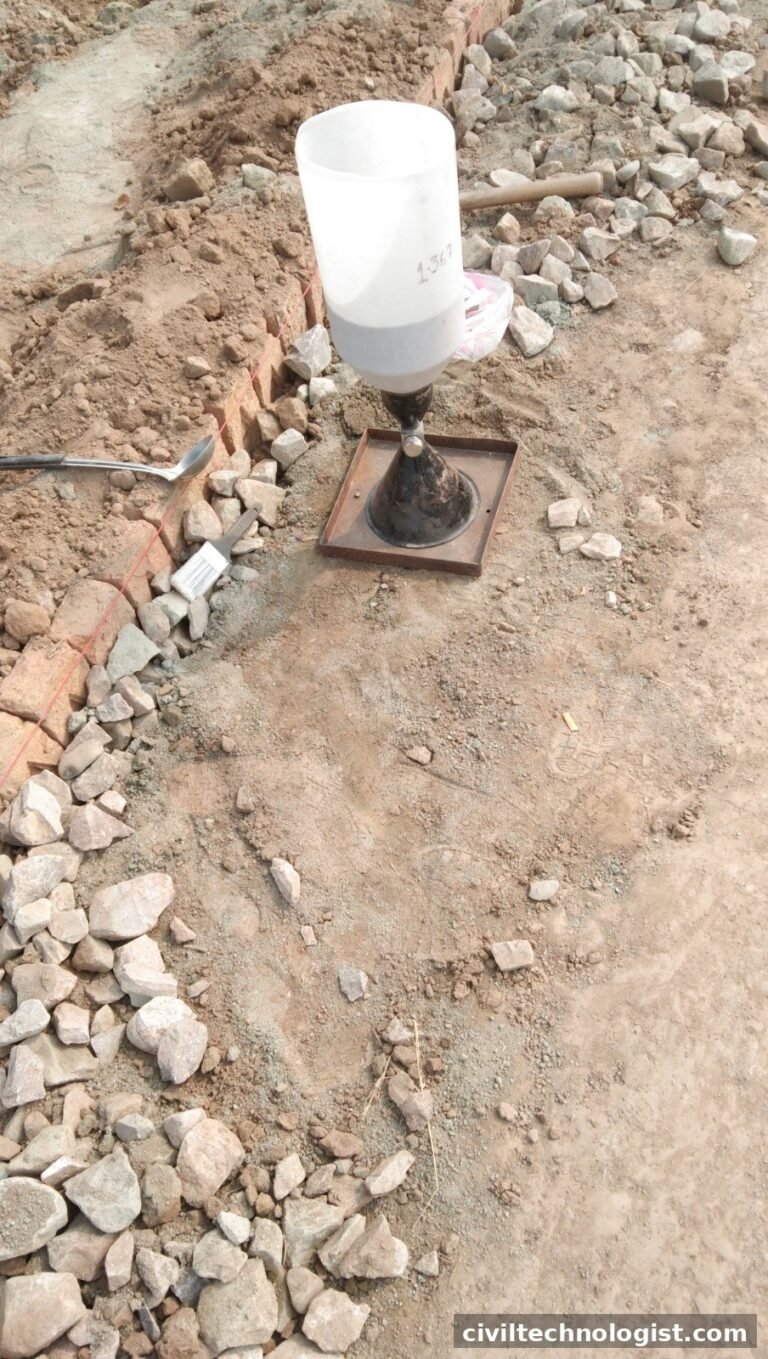
Field Density Test (Sand Cone Method): Procedure, Calculation & Report Format
Soil Tests Used in Civil and Geotechnical Engineering – Complete List

Rolling a subgrade or embankment layer means nothing until you prove the compaction is actually there. The field density test …
Read more

California Bearing Ratio (CBR) Test for Soil: Procedure and Calculation

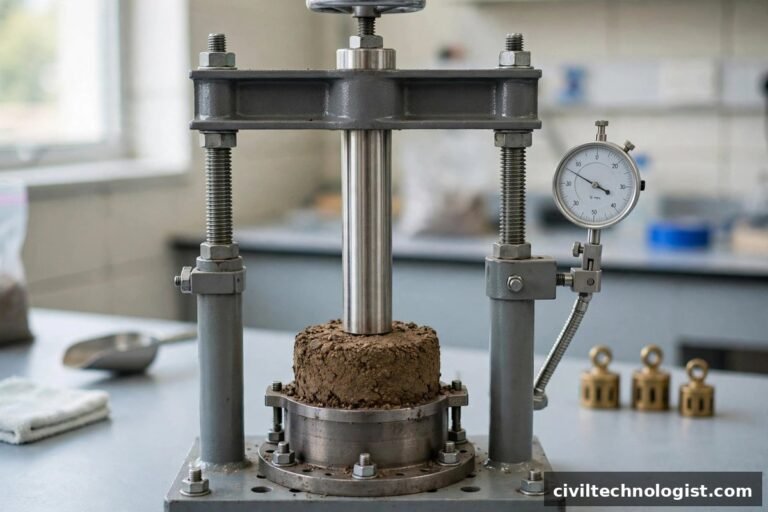
California Bearing Ratio test apparatus with penetration plunger on compacted soil specimen and dial gauge in a geotechnical laboratory

Before a single layer of a road is laid, the designer asks one question about the ground beneath it: how …
Read more

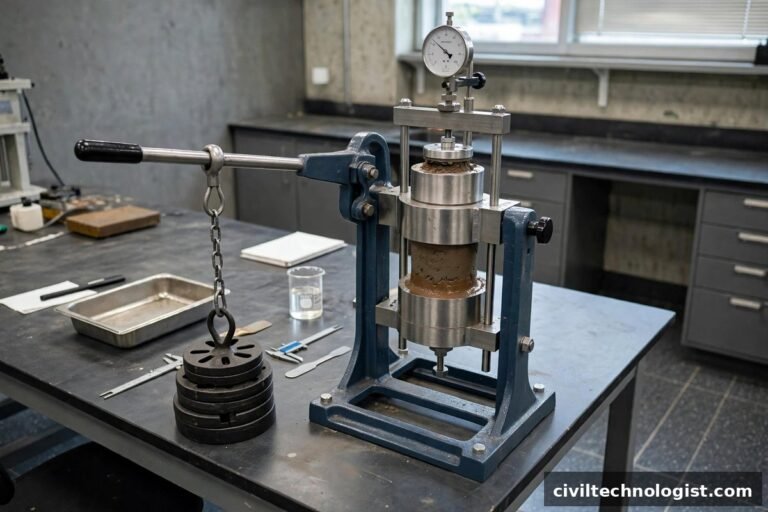
Consolidation Test (Oedometer): Procedure, e–log p Curve & Settlement Calculation

Buildings on clay do not settle the day the last floor is cast. They settle slowly — over months and …
Read more

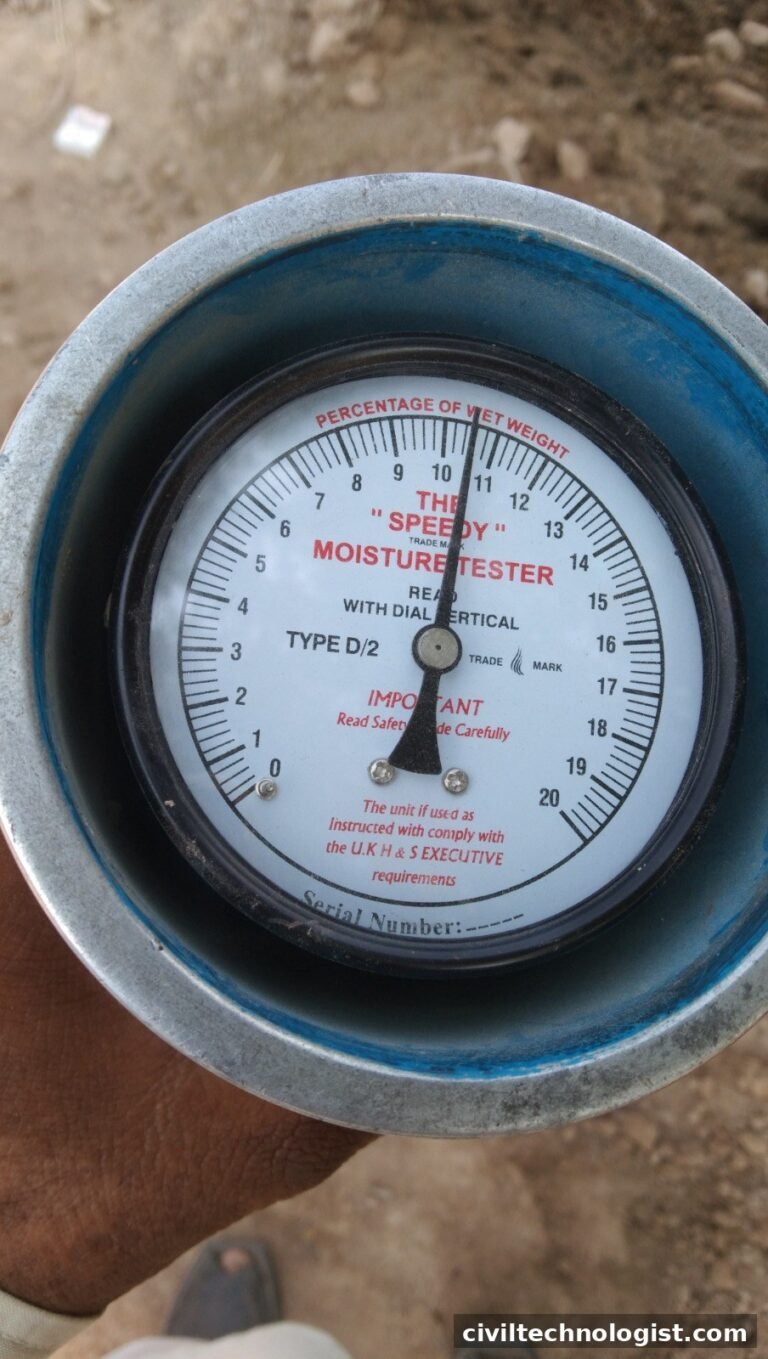
Speedy Moisture Tester: Procedure, Chart Reading & Worked Example

Compaction control lives or dies on moisture content. The oven-dry method is the reference standard, but it takes 16–24 hours …

Read more

Consistency of Cement Test Using the Vicat Apparatus

Consistency of Cement Test Using the Vicat Apparatus

Before a lab can test a cement’s setting time or soundness, it needs one number first: the standard consistency — …
Read more

Concrete Bleeding Test (ASTM C232): Procedure, Calculation, and How to Control It

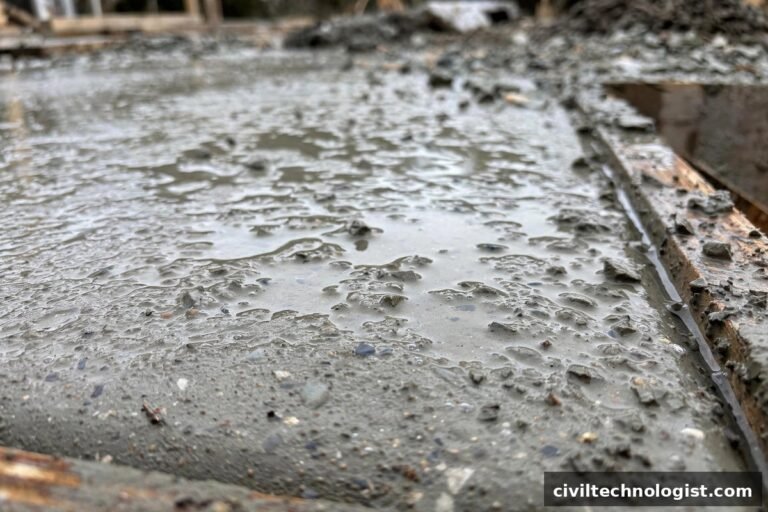
Pour a slab on a hot afternoon, come back an hour later, and the surface is covered with a thin …

Read more

Older posts
Newer posts
← Previous Page1 Page2 Page3 Next →

Popular Article

  • How to Check Water Absorption of Bricks: IS 3495 Part 2 Test & Limits
  • Cement Composition and Manufacturing Process — Complete Guide
  • RFI in Construction: Request for Information — Process, Format & Importance
  • SPT to ASTM D1586: Split-Barrel Sampling Procedure
  • Roads and Their Types — A Practical Classification Guide

Construction Calculators

Free estimation tools with step-by-step working:

  • 🧱 Brick Calculator
  • 🏗️ Cement Calculator
  • 🔩 Steel Bar Weight Calculator
  • 🧱 Plaster Calculator
  • 🟧 Tile Calculator
  • 🎨 Paint Calculator
  • 💧 Water Tank Calculator
  • 🏠 Land Area Converter
  • 🏗️ Concrete Calculator
  • 🛣️ Bitumen Extraction Calculator

View All Calculators →

Categories

Follow Us

Join our community:

▶ YouTube - Watch Tutorials f Facebook - Join Community in LinkedIn - Connect

  • Home
  • Privacy Policy
  • About Us
  • Contact
  • Disclaimer
  • Terms & Conditions
  • Sitemap
© 2022-2026 Civil Technologist