20 Sub-Disciplines of Civil Engineering — What Each One Does
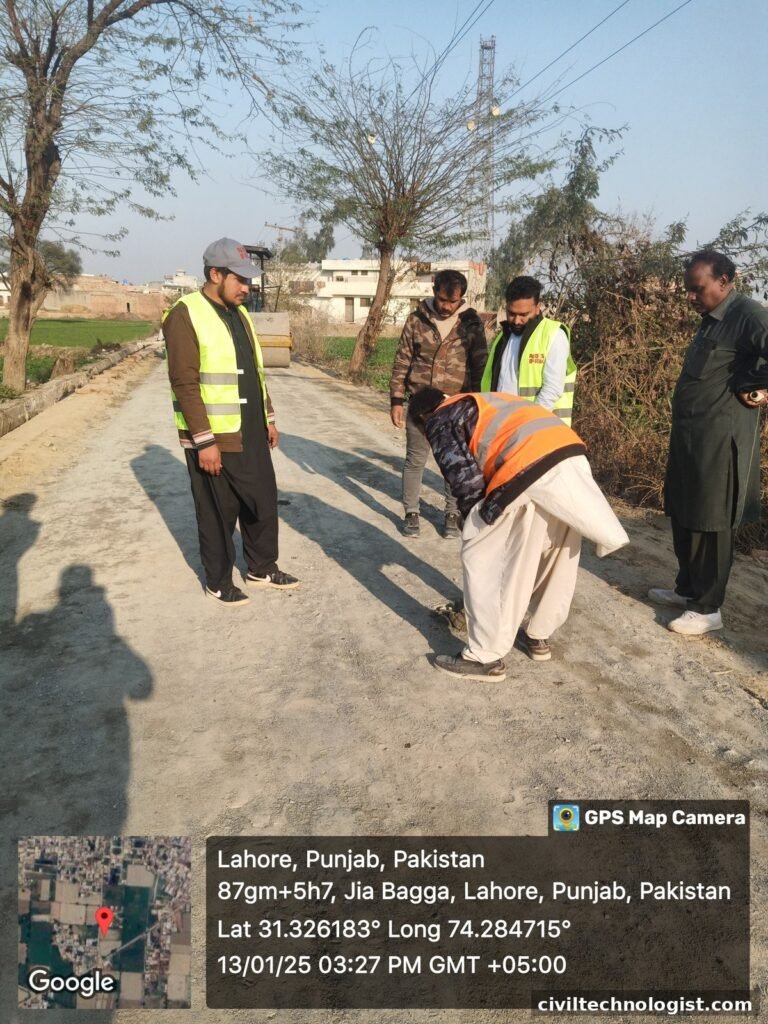
“Civil engineering” is not one job — it is a family of specialisations, each with its own tools, codes, and …
Civil engineering construction stands as the backbone of human civilization’s infrastructure, defining the landscape with bridges, roads, buildings, and dams. This field merges scientific principles with artistic design, transforming mere plans into towering structures that shape the world we inhabit. Through a combination of innovation, precision, and creativity, civil engineers bring ambitious architectural visions to life.
At its core, civil engineering construction involves the conception, design, planning, and execution of structures that serve societal needs. From initial surveying and feasibility studies to the final touches of a completed project, this discipline demands meticulous attention to detail and an unwavering commitment to safety and functionality.
In the contemporary era, civil engineering embraces cutting-edge technologies and sustainable practices. Advanced software facilitates detailed modeling and simulations, allowing engineers to predict and rectify potential issues before construction even commences. This precision minimizes errors, reduces costs, and enhances the overall quality of the project.
Moreover, the pursuit of eco-friendly solutions has become a cornerstone of modern civil engineering. Engineers are integrating green technologies, such as recycled materials, energy-efficient designs, and sustainable construction methods, to minimize environmental impact. This sustainable approach aligns with the broader goal of creating a more resilient and environmentally conscious infrastructure.
The diversity within civil engineering construction is astounding. From transportation (roads, bridges, and railways) to environmental (water treatment plants, flood control systems) and structural (skyscrapers, stadiums), each specialization demands a unique set of skills and expertise.
The field continually evolves, influenced by societal needs, technological advancements, and architectural trends. This evolution is the reason for the incessant growth in this domain and the need for constant learning and adaptation by professionals in the field.
In this category to aggregate civil engineering construction data, you’re fostering a repository that encapsulates the rich history. The latest advancements, and the future innovations of this critical discipline. By compiling and organizing information, this collection becomes a wellspring of knowledge. A testament to human ingenuity, and a resource that can inspire the engineers of tomorrow.
“Civil engineering” is not one job — it is a family of specialisations, each with its own tools, codes, and …
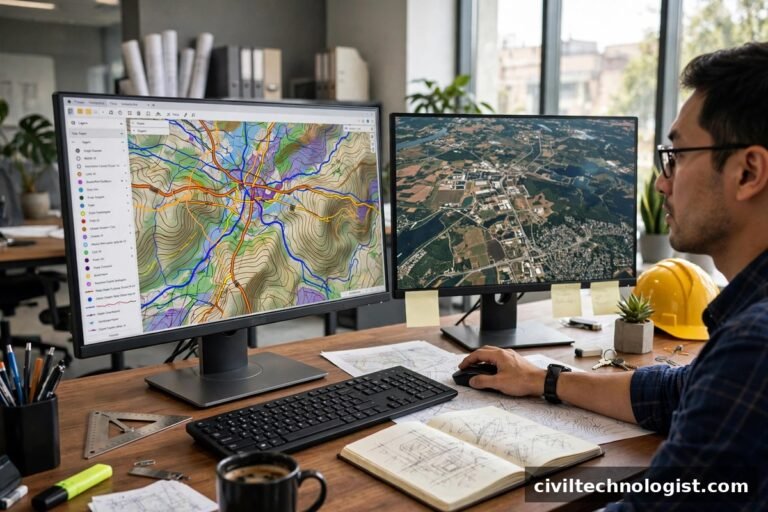
Maps used to be drawings. Today they are databases. A Geographic Information System (GIS) ties every line, point, and polygon …

Watch any congested column being concreted on a Pakistani site and you will see the same struggle: a vibrator needle …

Civil engineering has a gender problem, and the numbers prove it. But it also has something else: a genuine, growing …

Most career objective examples online are copies of copies — vague lines like “seeking a challenging position in a dynamic …
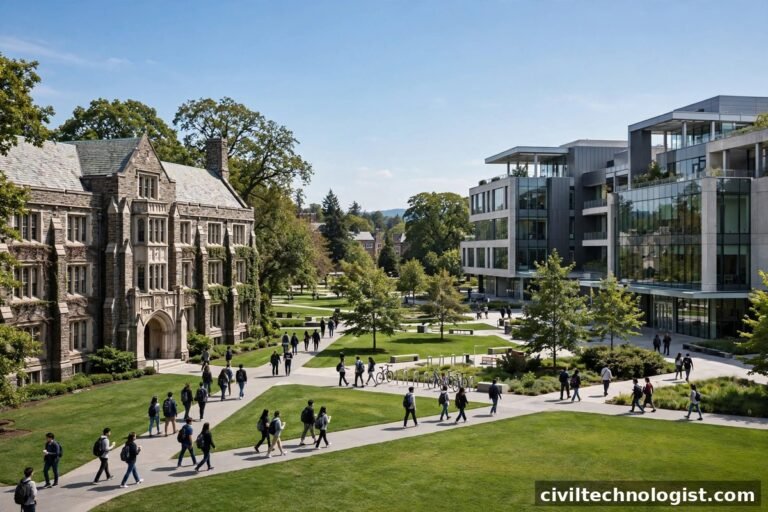
Choosing where to study civil engineering is one of the biggest decisions of a student’s life — and the options …